Back
Back
Arun - February 11, 2026
There was a time when being a sports fan meant showing up on matchday, physically or mentally, and tuning out once the final whistle blew. The game was the moment, and everything else faded into the background until the next fixture. That rhythm no longer defines modern fandom.
Today, sports live in the spaces between matches. Fans follow storylines, track form, debate decisions, and stay connected long before kickoff and long after the result is decided. Matchday still matters, but it’s no longer the center of attention. It’s part of a much larger, always-moving experience that reflects how fans consume sports in a digital, mobile-first world.
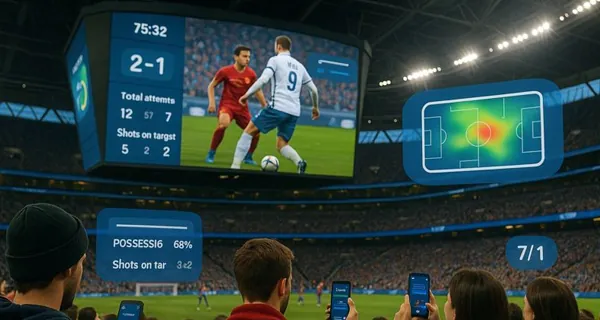
Sports information no longer arrives in waves, it flows continuously. Where fans once relied on newspapers, scheduled broadcasts, or post-game recaps, they now live inside a constant stream of updates.
Team news breaks at any hour, statistics refresh in real time, and analysis begins before a match ends. The result is an always-on environment where the game never truly pauses.
This shift has changed how fans process the sport itself. A single fixture now generates days of context: lineup predictions, tactical previews, injury updates, live reactions, and post-match breakdowns.
Even quiet days are filled with transfer rumors, training reports, and historical comparisons that keep attention anchored. Following a team has become a daily habit rather than a weekly appointment.
Mobile access accelerates this cycle. With information always a tap away, fans move seamlessly between platforms – checking scores, reading opinion, and joining conversations in spare moments.
Actions that once felt separate from fandom, like a routine 1xbet login bd while scanning updates, now blend into the same digital rhythm of constant access and engagement.
The rise of always-on sports information hasn’t diluted passion; it has redistributed it. Instead of peaking once per match, interest is sustained across the entire week. For modern fans, staying informed is part of the experience and the game continues long after the final whistle.
Mobile access didn’t just make sports easier to follow, it quietly rewired how fans behave. Instead of planning their day around a kickoff time, fans now fit sports into the rhythm of everyday life. A score check during a commute, a lineup update over lunch, a quick glance at highlights before bed and following a team has become a series of small, constant interactions rather than one focused event.
This shift shortened attention spans but deepened engagement. Fans may watch fewer full matches live, yet they stay more consistently connected. They track form, monitor injuries, follow rumors, and react in real time, often across multiple competitions at once. Sports fandom became flexible, adapting to moments rather than demanding them.
Mobile apps sit at the center of this change. Notifications replace anticipation, and instant updates remove the fear of missing out. Whether fans are scrolling through news feeds or opening platforms like the 1xbet app bangladesh as part of their daily digital routine, access to sports content feels immediate and personal. The barrier between fan and game has effectively disappeared.
As a result, fandom is no longer defined by presence in front of a screen at a specific time. It’s defined by continuity. Mobile access turned sports into a background companion – always available, always current, and always ready to pull fans back in, no matter where they are or what they’re doing.
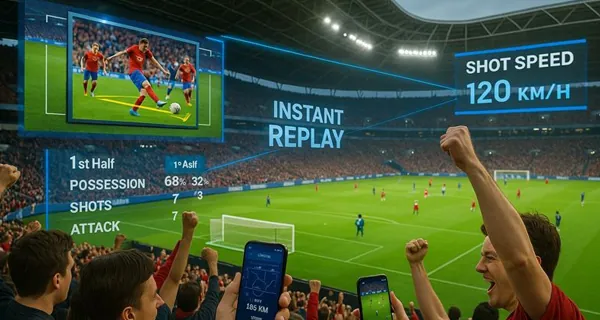
Modern sports fandom is built as much on conversation as it is on competition. Being a fan today means sharing reactions, debating decisions, and connecting with others who follow the same teams—often in real time. The match is no longer a solitary experience; it’s a shared narrative shaped by thousands of voices engaging at once.
Digital platforms turned community into a constant presence. Fans gather in comment sections, group chats, and social feeds to celebrate wins, process losses, and argue over tactics long after the final whistle. These conversations give meaning to results, helping fans feel part of something larger than the scoreboard. Participation becomes as important as observation.
Through this interaction, identity takes shape. Supporting a team is no longer just about loyalty; it’s about belonging. Fans express who they are through the opinions they share, the communities they join, and the rituals they repeat. Over time, these spaces become familiar, trusted environments where identity is reinforced daily.
In this always-connected landscape, sports culture thrives on interaction. Community keeps fans engaged between matches, conversation sustains emotion, and identity turns interest into commitment. Together, they transform sports from events people watch into worlds they actively inhabit.
The future of sports fandom is no longer anchored to calendars or broadcast schedules—it’s anchored to connection. As access becomes instant and information continuous, being a fan means staying involved every day, not just on matchday. Fandom is evolving from a moment-based experience into an ongoing relationship with teams, leagues, and communities.
This shift places greater emphasis on interaction over observation. Fans don’t simply consume results; they interpret them together, shape narratives, and carry discussions forward between fixtures. Platforms that support conversation, personalization, and accessibility will define how fandom grows, especially among younger audiences who expect engagement to be immediate and social.
Looking ahead, loyalty will be built through presence rather than proximity. Clubs and media outlets that recognize this will focus less on one-off spectacles and more on sustaining connection. In this always-on world, the future of sports fandom belongs to those who make fans feel involved—not just informed—every step of the way.