Back
Back
Samuel - June 18, 2025
The FIFA Club World Cup 2025 is underway, already delivering thrilling moments and standout performances. While much of the spotlight initially focused on European giants, it’s the South American clubs that have emerged as the tournament’s biggest revelation.
The opening match between Inter Miami and Al Ahly set the tone with a tightly contested goalless draw, but it’s the CONMEBOL teams who have stolen headlines with bold, fearless displays and unexpected results.
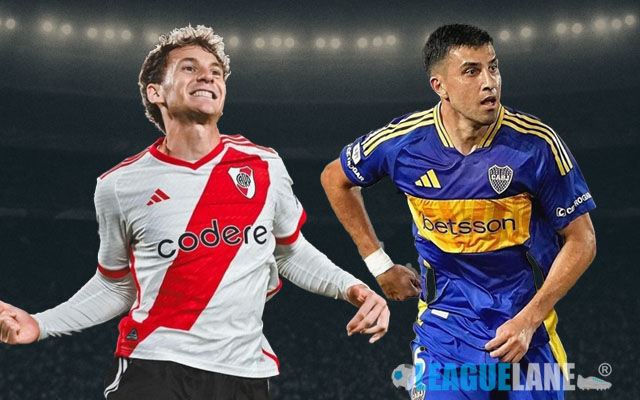
Six South American sides, River Plate, Botafogo, Fluminense, Palmeiras, Flamengo, and Boca Juniors, entered the competition with skepticism about their competitiveness.
Yet after the first round, none of them have suffered defeat, and three secured maximum points. River Plate dominated Urawa Reds 3-1, Botafogo edged Seattle Sounders 2-1, and Flamengo dispatched Esperance Tunis 2-0.
Even more telling are the results against top European opposition, suggesting a shift in global club football’s power dynamics. Let’s dive into how South American teams are rewriting expectations at the 2025 FIFA Club World Cup.
A key storyline from this year’s Club World Cup is the competitive balance between South American and European teams. The idea that UEFA clubs are automatically superior has been challenged convincingly by the likes of Palmeiras, Boca Juniors, and Fluminense.
Palmeiras went head-to-head with FC Porto, controlling possession and registering 17 shots on target in a 0-0 draw. Abel Ferreira’s side displayed tactical maturity and attacking threat, underlining their title credentials.
Boca Juniors also impressed in a thrilling 2-2 draw with Benfica. Despite Benfica dominating possession, Boca created more high-quality chances. Nicolas Otamendi’s late equalizer spared the Portuguese club from a shocking defeat, but Boca’s attacking rhythm and defensive organization stood out.
Fluminense battled Borussia Dortmund in a scoreless encounter, but the Brazilian side managed five shots on target and matched the Germans in possession. Jhon Arias was a constant threat down the flank, earning Man of the Match honors for his electric performance.
These results underscore a growing parity in world football. South American clubs are no longer underdogs, they’re now going toe-to-toe with the best and often dictating the tempo.
South American clubs have evolved beyond flair and improvisation. At the 2025 Club World Cup, they’ve demonstrated a tactical sophistication that rivals Europe’s elite.
Palmeiras exemplified this new standard. Under Abel Ferreira, they deployed a high-pressing, possession-based system with quick transitions. Their ability to neutralize Porto’s attacking threats while generating scoring chances speaks volumes about their strategic balance.
Fluminense, led by veteran Thiago Silva in defense, were compact and disciplined against Dortmund. Their rapid counters and defensive structure frustrated the Bundesliga champions throughout the match.
Boca Juniors showcased counter-attacking brilliance against Benfica, making the most of every turnover and maintaining a strong defensive line throughout. Their performance highlighted not just tactical intelligence but also composure under pressure.
Botafogo’s 2-1 victory over Seattle Sounders was a masterclass in tempo control and transitional play. Igor Jesus emerged as a standout performer, linking midfield and attack with precision.
Flamengo combined dominance in possession with defensive stability in their win over Esperance Tunis. Giorgian De Arrascaeta ran the show, continuing his sensational domestic form with creative brilliance that orchestrated much of Flamengo’s attacking success.
River Plate’s 3-1 win over Urawa Reds highlighted sharp execution on set pieces and clinical finishing. Facundo Colidio and Franco Mastantuono were instrumental, especially Mastantuono’s deliveries and vision from midfield.
Crucially, young stars have stepped up for these clubs. Palmeiras’ Estevao Willian earned Man of the Match honors against Porto, while River Plate’s Franco Mastantuono continues to draw attention for his creativity and tactical maturity at just 17 years old.
This Club World Cup was expected to reinforce European dominance, but South America’s performance has flipped the narrative. The undefeated first-round record for CONMEBOL sides speaks volumes.
Rather than simply relying on raw talent, these teams are now showcasing tactical structure, defensive solidity, and elite-level decision-making.
With increasingly professional environments and rising talent pools, clubs from Brazil and Argentina are proving they can match and even outthink their European rivals.
The global football hierarchy is being redefined, not by one-off upsets but by sustained, quality performances across the board. The gap is narrowing, and the world is watching.
South American teams have reshaped the 2025 FIFA Club World Cup with tactical excellence, standout performances, and an unbeaten collective start. Their defensive discipline, attacking creativity, and young stars have stunned skeptics and forced a reevaluation of football’s global landscape.
As the tournament progresses, CONMEBOL sides are no longer underdogs, they’re genuine contenders. If this momentum continues, the Club World Cup could mark the dawn of a new era where South American football regains its place at the pinnacle of the global game.